Your Student athlete mental health statistics images are available in this site. Student athlete mental health statistics are a topic that is being searched for and liked by netizens today. You can Download the Student athlete mental health statistics files here. Get all free photos.
If you’re looking for student athlete mental health statistics pictures information linked to the student athlete mental health statistics topic, you have come to the right blog. Our website frequently gives you hints for seeing the maximum quality video and picture content, please kindly hunt and find more enlightening video content and images that fit your interests.
Student Athlete Mental Health Statistics. Athletes at all levels of competition can face mental health issues. Many athletes may not have a mental health diagnosis but will have positive screening questionnaires when they are completed pre and post concussion. Student athletes were found to have significantly lower rates of depression yet slightly higher rates of suicidality. Mental Health Treatment Suicide.
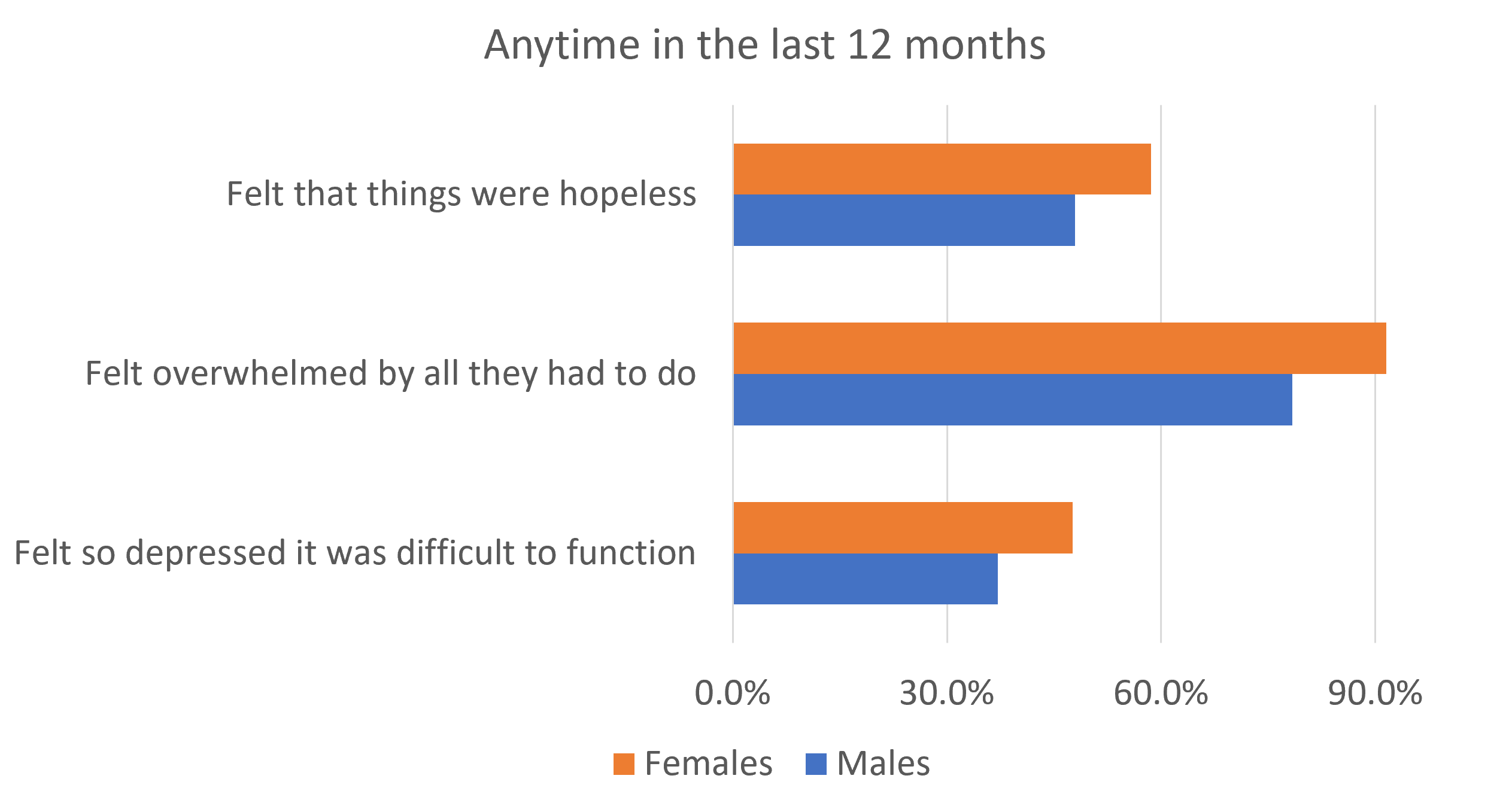 Mental Health Needs Of Elite Athletes Metrifit Ready To Perform From metrifit.com
Recent statistics indicate that 95 of male and 85 of female athletes report higher stress compared to 52 of non-athlete students. According to researchers at Drexel University and Kean University nearly 25 of collegiate athletes reported clinically relevant levels of depressive symptoms. Athletes and mental health. Today I stumbled upon an article the NCAA published at the end of 2014 and something in it really struck me. Mood Changes and Concussion Substance and Alcohol Abuse 86 of high school students have seen a classmate drink smoke or. NCAA athletes are more likely to suffer psychological problems that require treatment as compared to their peers accounting for 10 to 15 of all college athletes.
A 2016 study found that college athletes reported symptoms of depression at a similar rate to the general student population.
NCAA athletes are more likely to suffer psychological problems that require treatment as compared to their peers accounting for 10 to 15 of all college athletes. Emerging evidence identifies stressors unique to the college athlete related to physical and mental health risks. As athletes they add regular practices workouts and travel for games. Athletes at all levels of competition can face mental health issues. Of the 1 in 3 college students that show signs of anxiety or depression 30 will seek treatment and only 10 of college student-athletes will do the same. A 2016 study found that college athletes reported symptoms of depression at a similar rate to the general student population.
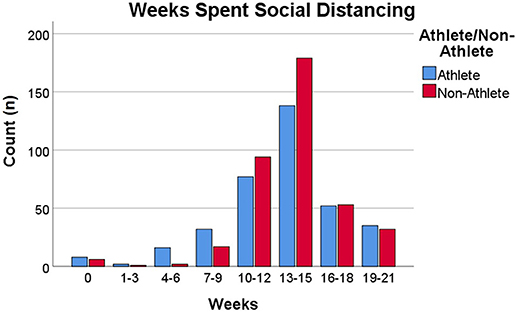 Source: frontiersin.org
Mood Changes and Concussion Substance and Alcohol Abuse 86 of high school students have seen a classmate drink smoke or. Data set was examined for differences in physical and mental health by self-assessed sport and physical activity level. Nearly half of American youths struggle with a mental illness before turning 18 while 12. We often neglect to acknowledge the prevalence of mental illness that accompanies this demanding lifestyle. According to researchers at Drexel University and Kean University nearly 25 of collegiate athletes reported clinically relevant levels of depressive symptoms.
 Source: jsams.org
An NCAA survey of 37000 student-athletes released in May found that the rates of mental health concerns were 150 to 250 higher than those historically reported by NCAA student-athletes in the American College Health Associations National College Health Assessment. Playing sports helps keep kids active and is a leading indicator of future health. Many athletes may not have a mental health diagnosis but will have positive screening questionnaires when they are completed pre and post concussion. Depression bipolar disorder substance abuse anxiety disorder eating disorders personality disorder and post-traumatic stress disorder PTSD are a few common mental health. Recently there has been an enhanced focus on student-athlete mental health 4.
 Source: statista.com
Recently there has been an enhanced focus on student-athlete mental health 4. An NCAA survey of 37000 student-athletes released in May found that the rates of mental health concerns were 150 to 250 higher than those historically reported by NCAA student-athletes in the American College Health Associations National College Health Assessment. Also reinforcing Scholls point Ackerman noted that most schools mental health services are understaffed saying that when you only have 1 or 2 staff when dealing with 300-500 student-athletes. Mental health help seeking was also 38 lower among student athletes when compared to non-student athletes. A 2016 study found that college athletes reported symptoms of depression at a similar rate to the general student population.
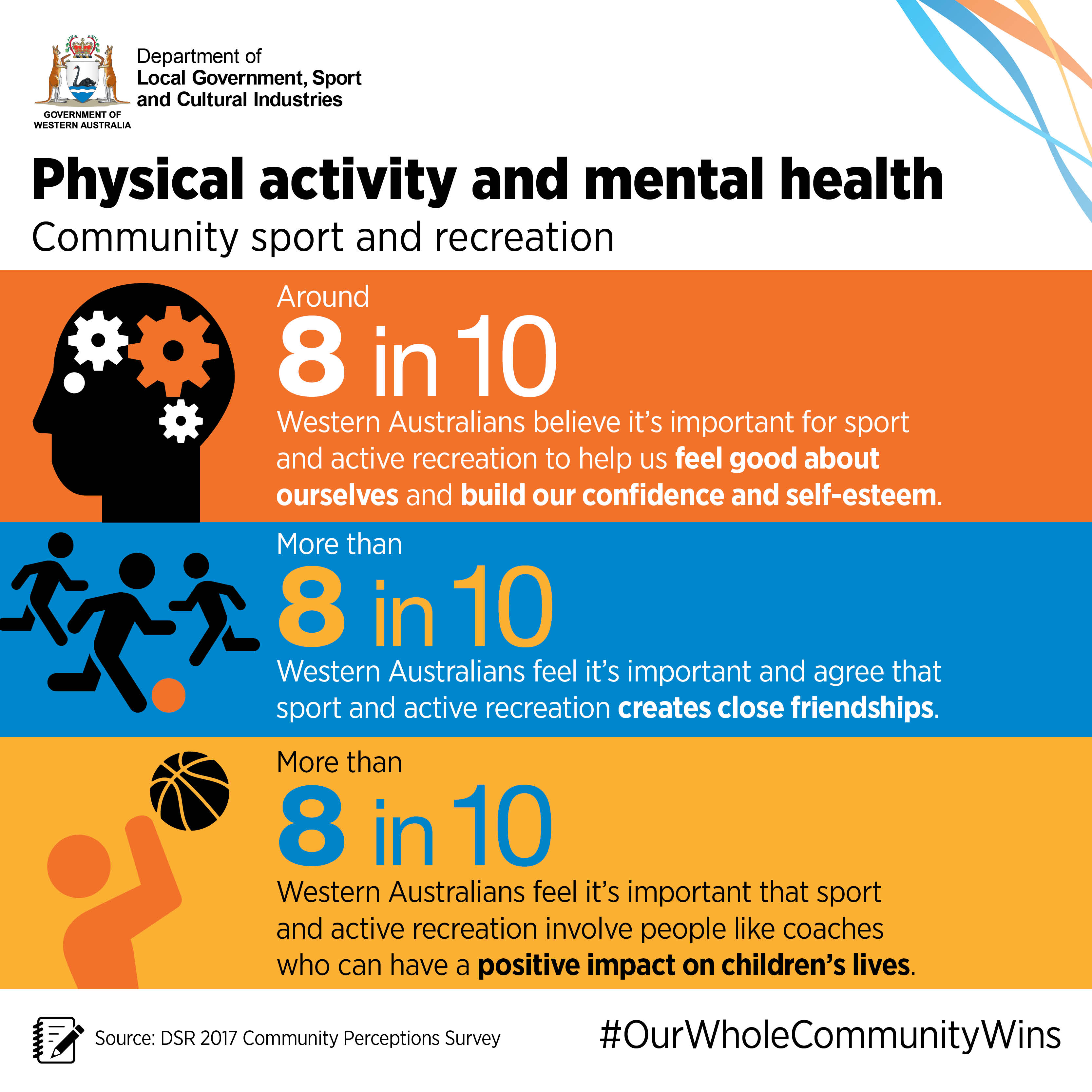 Source: dlgsc.wa.gov.au
Studies show that about 63 of all student-athletes show. NCAA faces uphill battle getting mental health care to student-athletes. Also reinforcing Scholls point Ackerman noted that most schools mental health services are understaffed saying that when you only have 1 or 2 staff when dealing with 300-500 student-athletes. 1 Student-athletes can and do get depressed although at a lower rate as compared to non-athletes. Today I stumbled upon an article the NCAA published at the end of 2014 and something in it really struck me.
 Source: medrxiv.org
Recently there has been an enhanced focus on student-athlete mental health 4. An NCAA survey of 37000 student-athletes released in May found that the rates of mental health concerns were 150 to 250 higher than those historically reported by NCAA student-athletes in the American College Health Associations National College Health Assessment. An American study regarding student-athletes participating in the NCAA sanctioned intercollegiate athletic programs found that of these student-athletes between 10 and 15 2 higher than their nonathletic counter parts will experience psychological issues severe enough to warrant counselling Watson Kissinger 2007. Playing sports helps keep kids active and is a leading indicator of future health. NCAA athletes are more likely to suffer psychological problems that require treatment as compared to their peers accounting for 10 to 15 of all college athletes.
Source: metrifit.com
A 2015 NCAA report found that suicide was the fourth leading cause of death among college athletes 16 while 63 of student-athletes met the criteria for clinically significant depression and 24 had low moods considered clinically relevant 24. Mental Health Treatment Suicide. Many athletes may not have a mental health diagnosis but will have positive screening questionnaires when they are completed pre and post concussion. As athletes they add regular practices workouts and travel for games. 1 Student-athletes can and do get depressed although at a lower rate as compared to non-athletes.
 Source:
We often neglect to acknowledge the prevalence of mental illness that accompanies this demanding lifestyle. Athletes at all levels of competition can face mental health issues. As athletes they add regular practices workouts and travel for games. A 2015 NCAA report found that suicide was the fourth leading cause of death among college athletes 16 while 63 of student-athletes met the criteria for clinically significant depression and 24 had low moods considered clinically relevant 24. 35 of elite athletes suffer from a mental health crisis.
Source:
Large Midwestern University in the fall of 2016. Mood Changes and Concussion Substance and Alcohol Abuse 86 of high school students have seen a classmate drink smoke or. Mental-health challenges are not unique to competitive student athletes like Isabella of course. Increasingly we are seeing student athletes mental health suffer in exchange for their participation. Among student athletes that participated 78 identified as women 31 identified as non-white and 93 were age 17-20.
 Source: pewresearch.org
The Positive Impact of Sports on Mental Health As a whole sports participation provides physical emotional and social benefits for adolescents. Increasingly we are seeing student athletes mental health suffer in exchange for their participation. As athletes they add regular practices workouts and travel for games. Large Midwestern University in the fall of 2016. NCAA athletes are more likely to suffer psychological problems that require treatment as compared to their peers accounting for 10 to 15 of all college athletes.
Source:
Athletes and mental health. Wendell Barnhouse Wednesday Aug 21 2019. Student-athletes find mental health support on campus. Studies show that about 63 of all student-athletes show. Playing sports helps keep kids active and is a leading indicator of future health.
 Source: jsams.org
Also reinforcing Scholls point Ackerman noted that most schools mental health services are understaffed saying that when you only have 1 or 2 staff when dealing with 300-500 student-athletes. Student-athletes find mental health support on campus. A 2016 study found that college athletes reported symptoms of depression at a similar rate to the general student population. Many athletes may not have a mental health diagnosis but will have positive screening questionnaires when they are completed pre and post concussion. An NCAA survey of 37000 student-athletes released in May found that the rates of mental health concerns were 150 to 250 higher than those historically reported by NCAA student-athletes in the American College Health Associations National College Health Assessment.
Source:
25 of college athletes struggle with mental illness and 10-15 of all athletes experience psychological issues severe enough to warrant counseling. Emerging evidence identifies stressors unique to the college athlete related to physical and mental health risks. Mental-health challenges are not unique to competitive student athletes like Isabella of course. The Positive Impact of Sports on Mental Health As a whole sports participation provides physical emotional and social benefits for adolescents. Mental Health Treatment Suicide.
 Source: twitter.com
Depression bipolar disorder substance abuse anxiety disorder eating disorders personality disorder and post-traumatic stress disorder PTSD are a few common mental health. However many are afraid to seek help and finding that help can be challenging especially if their coach is not supportive. About 30 percent of the 195000 respondents to a recent American College Health Association ACHA survey reported having felt. Many athletes may not have a mental health diagnosis but will have positive screening questionnaires when they are completed pre and post concussion. Of the 1 in 3 college students that show signs of anxiety or depression 30 will seek treatment and only 10 of college student-athletes will do the same.
Source:
Depression bipolar disorder substance abuse anxiety disorder eating disorders personality disorder and post-traumatic stress disorder PTSD are a few common mental health. Mental health help seeking was also 38 lower among student athletes when compared to non-student athletes. College students including student-athletes are not immune to struggles with mental well-being. Nearly half of American youths struggle with a mental illness before turning 18 while 12. As athletes they add regular practices workouts and travel for games.
Source:
Please enable it to continue. Mental Health Treatment Suicide. Student-athletes find mental health support on campus. 25 of college athletes struggle with mental illness and 10-15 of all athletes experience psychological issues severe enough to warrant counseling. Nearly half of American youths struggle with a mental illness before turning 18 while 12.
 Source: thethunderbird.ca
An American study regarding student-athletes participating in the NCAA sanctioned intercollegiate athletic programs found that of these student-athletes between 10 and 15 2 higher than their nonathletic counter parts will experience psychological issues severe enough to warrant counselling Watson Kissinger 2007. 1 Student-athletes can and do get depressed although at a lower rate as compared to non-athletes. Mental health help seeking was also 38 lower among student athletes when compared to non-student athletes. Recently there has been an enhanced focus on student-athlete mental health 4. Playing sports helps keep kids active and is a leading indicator of future health.
 Source: students.tufts.edu
Mental-health challenges are not unique to competitive student athletes like Isabella of course. Student-athletes find mental health support on campus. Do not think that just because a student is an athlete that he or she is immune to mental health issues. Today I stumbled upon an article the NCAA published at the end of 2014 and something in it really struck me. 1 Student-athletes can and do get depressed although at a lower rate as compared to non-athletes.
 Source: christiecampus.com
A 2015 NCAA report found that suicide was the fourth leading cause of death among college athletes 16 while 63 of student-athletes met the criteria for clinically significant depression and 24 had low moods considered clinically relevant 24. As students they face the daily rigors of classes homework and exams. Please enable it to continue. Studies show that about 63 of all student-athletes show. Mental-health challenges are not unique to competitive student athletes like Isabella of course.
This site is an open community for users to share their favorite wallpapers on the internet, all images or pictures in this website are for personal wallpaper use only, it is stricly prohibited to use this wallpaper for commercial purposes, if you are the author and find this image is shared without your permission, please kindly raise a DMCA report to Us.
If you find this site good, please support us by sharing this posts to your own social media accounts like Facebook, Instagram and so on or you can also save this blog page with the title student athlete mental health statistics by using Ctrl + D for devices a laptop with a Windows operating system or Command + D for laptops with an Apple operating system. If you use a smartphone, you can also use the drawer menu of the browser you are using. Whether it’s a Windows, Mac, iOS or Android operating system, you will still be able to bookmark this website.